The lost phone charge
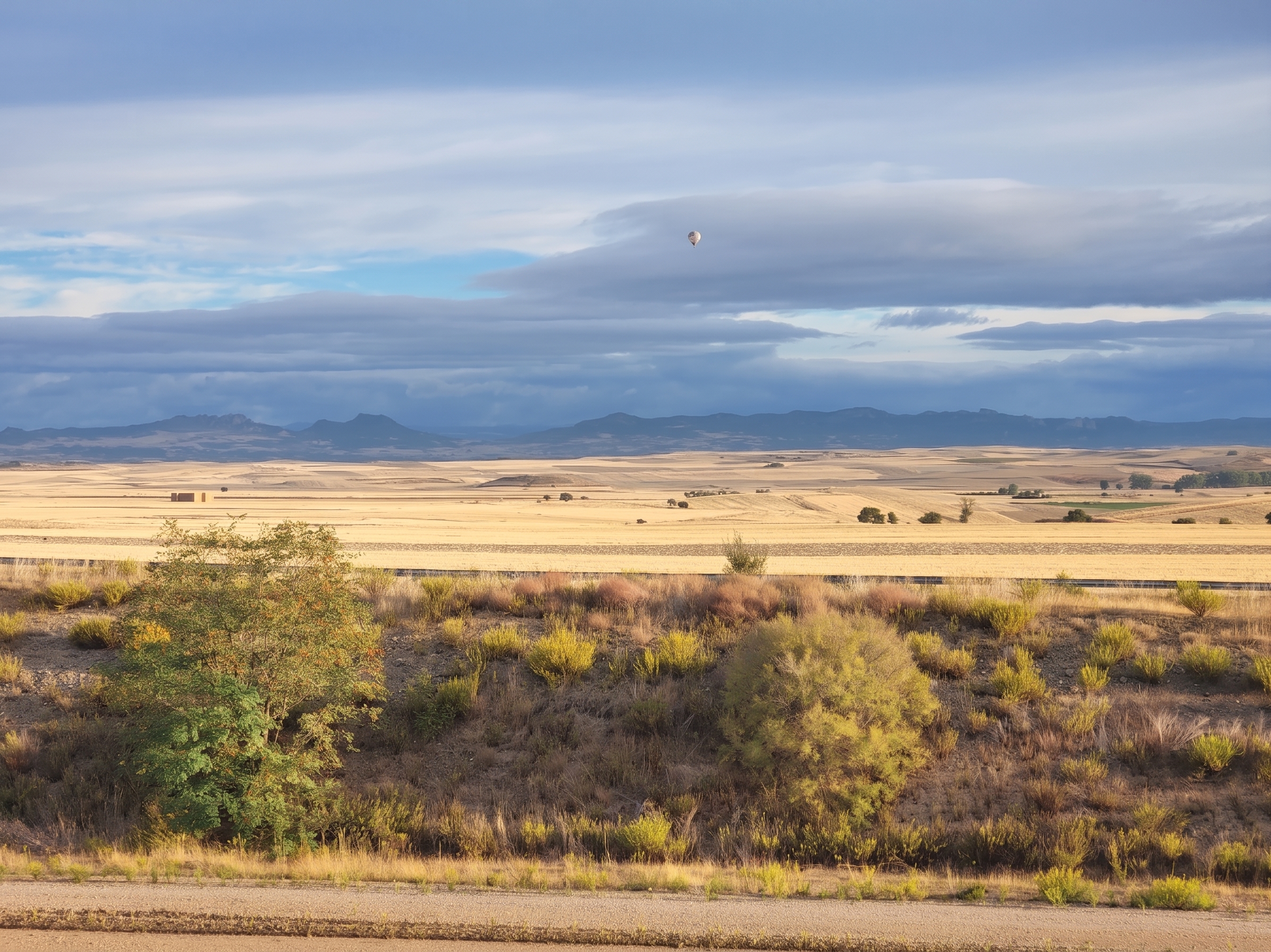
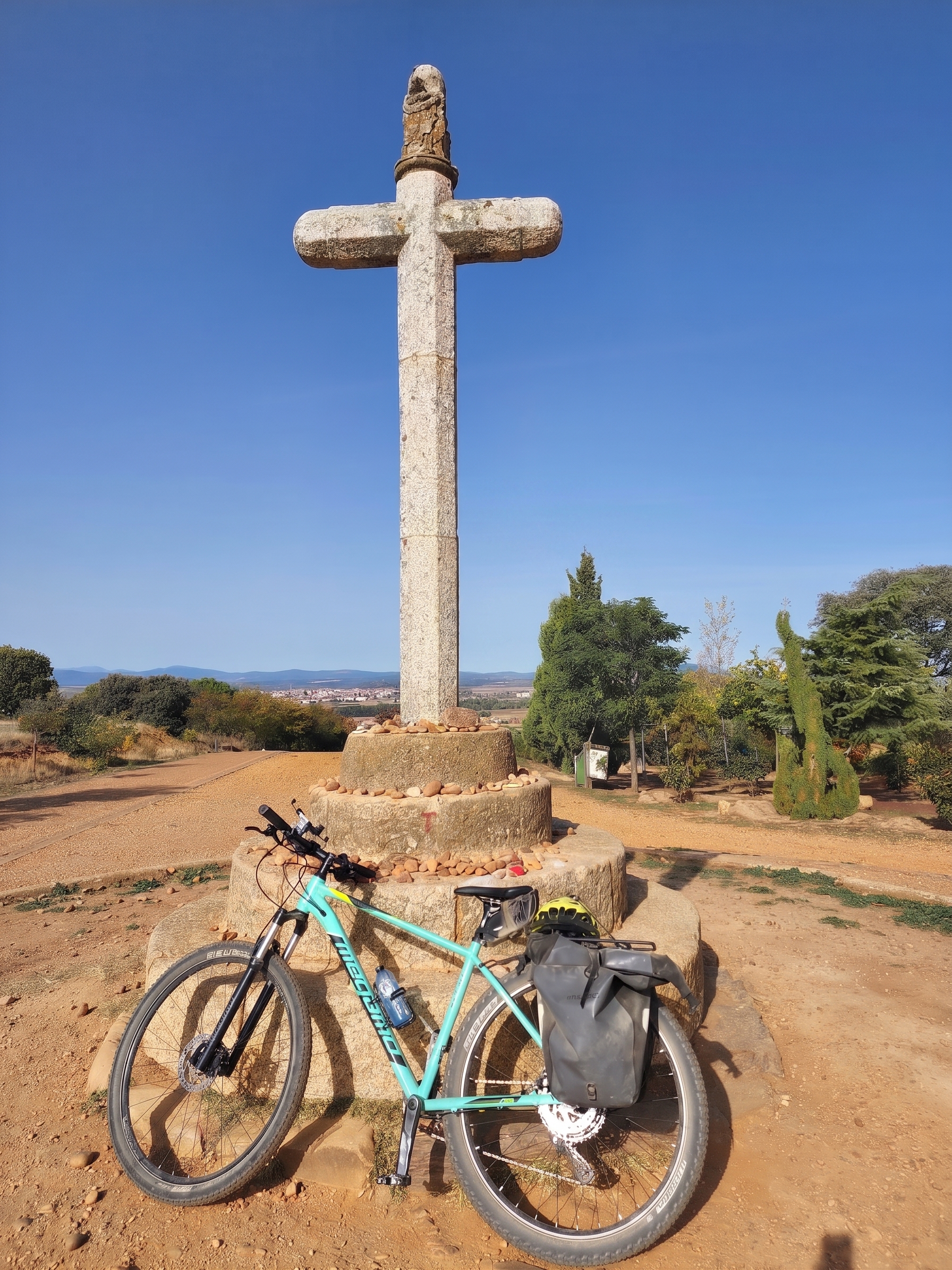
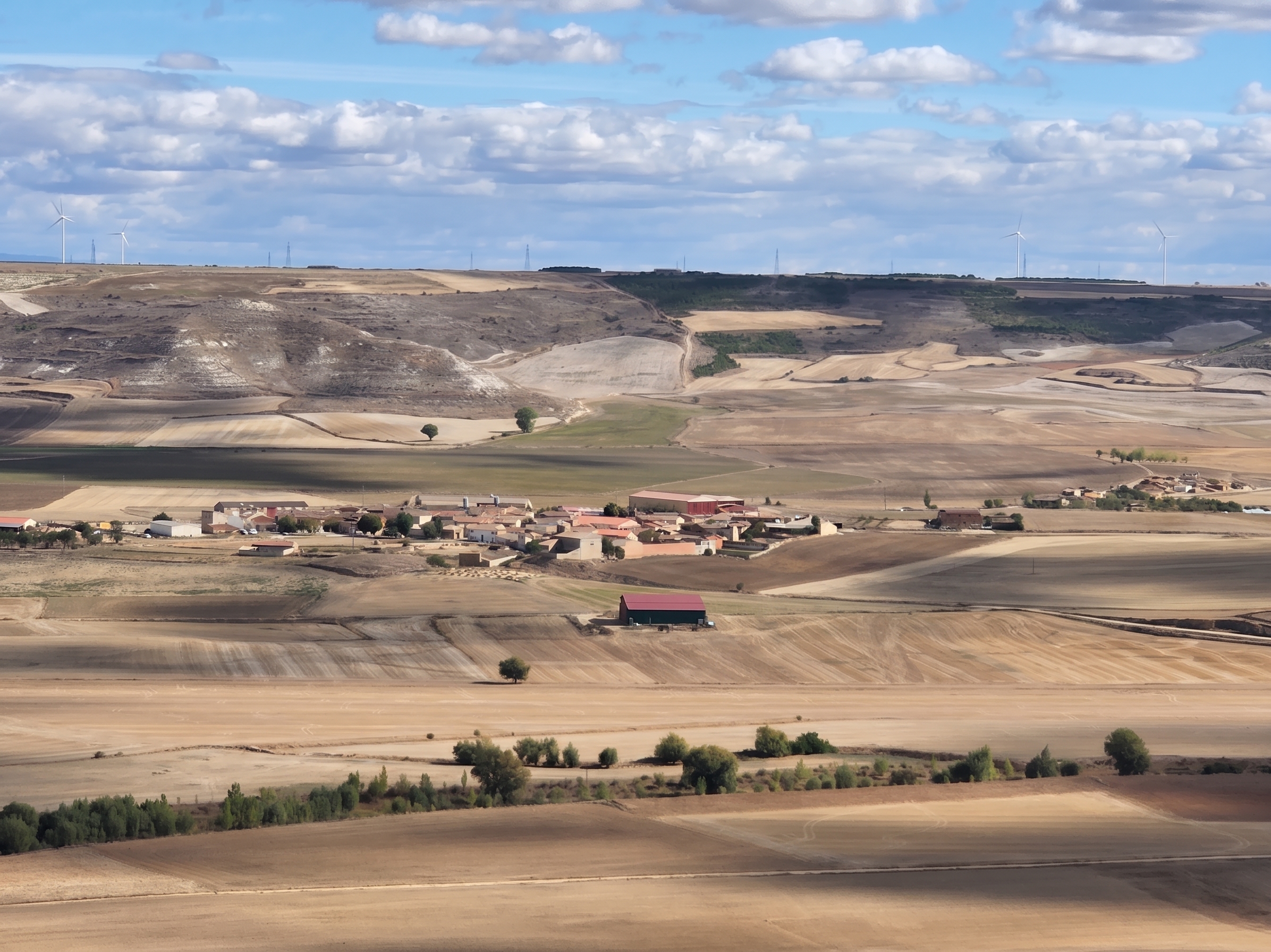
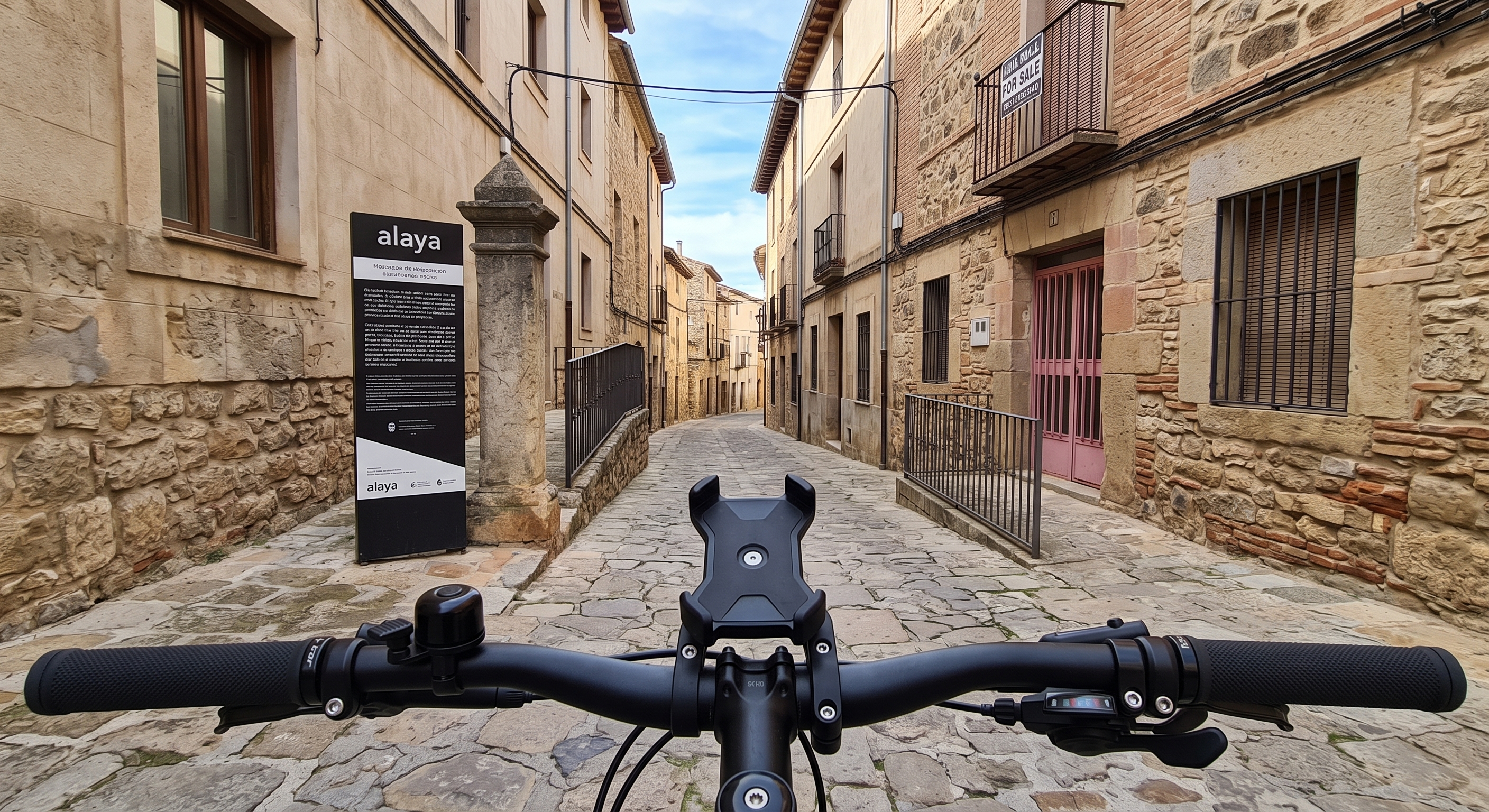
Shortly after Logroño, the wine capital, the Meseta begins – the arid and monotonous plateau of northern Spain. I rode along the endless dirt paths, and at the entrance to one of the small towns, I noticed a portable phone charger lying on a stone wall. It looked as if someone had forgotten it just moments before. I picked it up, kept it in my bag, and continued my pleasant ride. Without any prior planning, I stopped at a local restaurant that offered lunches for pilgrims passing through on their way to the next destination.
Around one of the tables sat a loud group of about six to eight people who were laughing and talking as if they had known each other for years. I took advantage of a quiet moment, held up the charger, and asked: "Does this belong to any of you?"
A slight silence fell. Everyone looked, exchanged glances, and answered in the negative. But just before I sat down at a secluded table, one of the women smiled and asked if I would like to join them. I gladly accepted.
It was a pleasant lunch hour under the umbrella. As usual on the Camino, it turned out that this table had gathered just moments before from a random collection of passersby: from Italy, France, Poland, the United States, and Greece. A changing human composition created out of thin air. I felt part of the group – perhaps not the youngest, but certainly at the upper end of the age scale, and as a solo cyclist among walkers.
The life of the party at the table was a young woman who wouldn't stop asking questions and focusing the attention, and slowly the stories were revealed. I caught myself entering a rare state of pure listening – without judgment, without masks, out of a genuine curiosity to get to know each and every one of them. The woman from France who was seeking a journey following her recovery from cancer; the Italian woman who decided to cover 200 kilometers on foot just before diving into a new semester at university; the American who, since her divorce, has been trekking across the world; and the young guy from Greece, full of anxieties, who was trying to disconnect from his demanding family as a declaration of independence – trying to find the limits of his own abilities without committing to anyone, not even to himself, if he would even finish the route.
This circle continued for a while longer. Bowls of food, cold lemon-flavored beer, rolling laughter, and right towards the end – everyone was already planning to meet for a shared dinner in the next village.
Except for me.
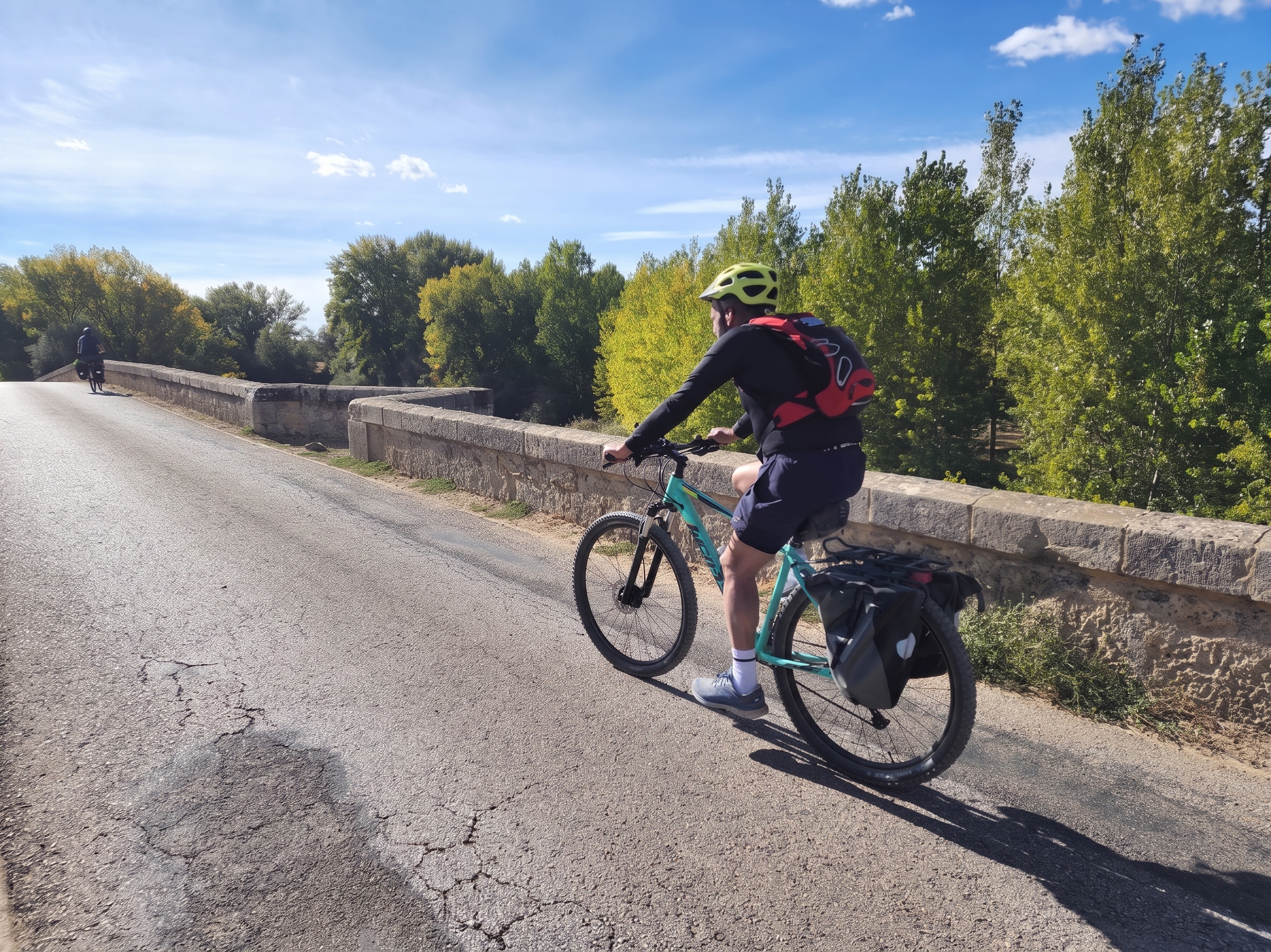
I had another 45 kilometers of pedaling ahead to the destination I had set for myself, far beyond their village. They tried to convince me to stay and sleep with them, but my hotel was already booked in advance and there was no way to change it. We parted with warm hugs, and I got back on my bike.
As I returned to ride facing the open horizon, I understood what unique magic happens on the Camino: in real life, we are not always seen. We pass by people, burdened with roles and worries, and often feel invisible. But on this path, a rare frequency of deep listening suddenly opens up. You want to get to know everyone, to peek into the worlds of people who until a moment ago were total strangers, and to find the connecting thread that binds us all together.
And the portable charger that was still lying in my bag was the most precise reminder of that: despite the different ages, the different countries, and the different pace at which we moved – we all sat around the same table to recharge exactly the same basic human thirst: the search for meaning, the freedom to start over, and the simple and deep need – to be seen.